A Bodyweight Leg Workout for Strong Legs Without Any Equipment
You do not need weights to build strong, shapely legs — your own bodyweight, used well, delivers a serious lower-body workout. The key is good form and knowing how to make moves harder as you get stronger. Here is why bodyweight leg training works, an effective no-equipment routine, and how to keep progressing without any gear.
Why Bodyweight Leg Training Works
Strong legs, no equipment: the the-legs-respond-to-load (the the legs being strong muscles that bodyweight can genuinely challenge with the right moves from the lower-body logic — the challenge-them-right), the the-form-and-tempo-add-difficulty (the slow tempo and full range making bodyweight moves hard from the recovery logic — the make-it-count), the the-single-leg-is-the-key (the single-leg moves loading each leg with much of your bodyweight from the step-up logic — the the-unilateral-secret), the the-no-equipment-no-excuses (the needing no gear or gym to train legs — the anywhere-legs), the the-full-lower-body (the bodyweight moves hitting the quads, glutes, hamstrings and calves from the lower-body logic — the the-whole-leg), and the reframe (the bodyweight leg training as a genuine lower-body workout — strong legs from form, tempo and single-leg work, no equipment needed).
The Effective No-Equipment Routine
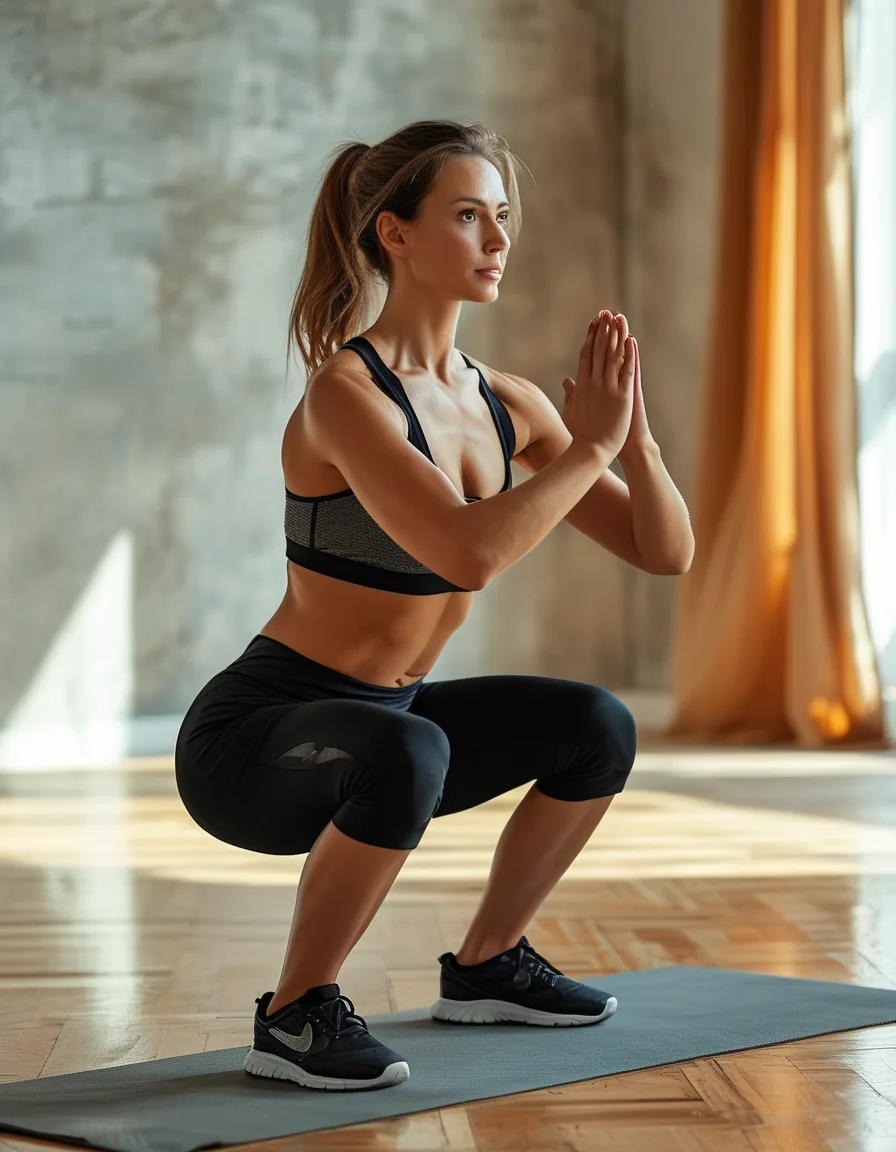
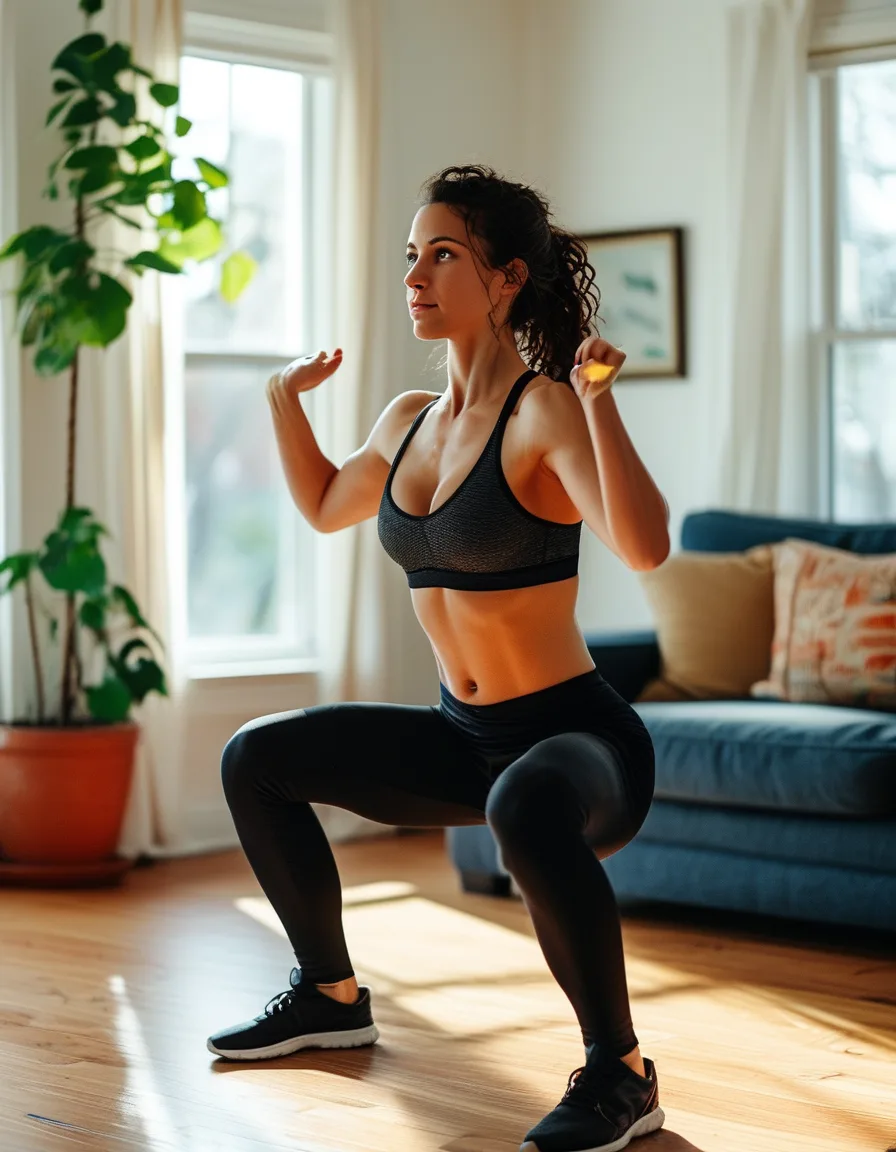
A bodyweight leg session: the the-warm-up (the a few minutes of dynamic warm-up first from the recovery logic — the prep-the-legs), the the-squats (the bodyweight squats for the quads and glutes — the the-foundation; from the lower-body logic), the the-reverse-lunges (the reverse lunges for single-leg strength — the the-unilateral-work), the the-step-ups (the step-ups onto a sturdy surface, an underrated leg builder from the step-up logic — the the-underrated-move), the the-glute-bridges (the bridges for the glutes and hamstrings from the glute logic — the the-glute-work), the the-single-leg-work (the single-leg bridges, split squats and progressions for real load from the step-up logic — the the-key-difficulty), the the-calf-raises (the calf raises for the lower legs from the calf logic — the the-calves), and the the-controlled-full-range-reps (the slow, full-range reps for tension — the quality-first).
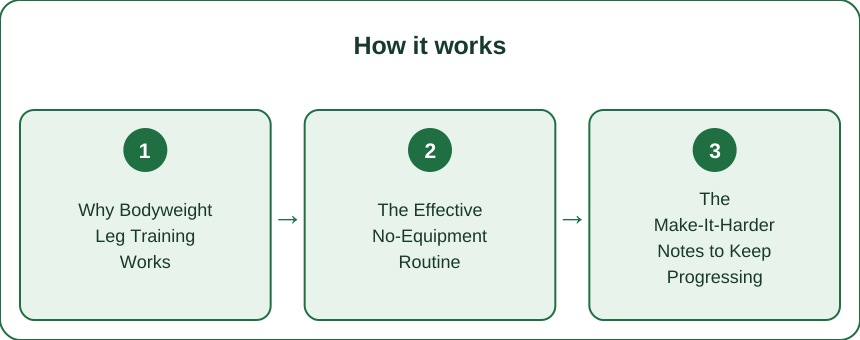
The Make-It-Harder Notes to Keep Progressing
Progressing without gear: the the-slow-the-tempo (the slowing the reps to increase time under tension from the recovery logic — the tempo-adds-load), the the-single-leg-progressions (the moving to single-leg versions for far more load from the step-up logic — the the-biggest-jump), the the-add-reps-and-sets (the increasing volume as you get stronger — the more-work), the the-pause-and-pulse (the pauses and pulses at the hardest point — the add-intensity), the the-full-range-and-depth (the deeper, fuller range for more challenge — the the-full-range), the the-reduce-rest (the shorter rests to raise the difficulty and conditioning — the tighten-the-rest), the the-harder-variations (the progressing to tougher variations like split squats and pistols from the step-up logic — the level-up), and the frame (the bodyweight leg workout as squats, lunges, step-ups, bridges and single-leg work done with slow tempo and full range, progressed by single-leg variations and volume — strong legs, no equipment. Use good form and full range, add tempo and single-leg progressions, and increase volume to keep building).
You do not need weights to build strong, shapely legs — your own bodyweight, used well, delivers a serious lower-body workout. It works because the legs can be genuinely challenged with the right moves, slow tempo and full range add difficulty, single-leg moves load each leg with much of your bodyweight, and it needs no gear while hitting the whole lower body. The routine: warm up, then bodyweight squats, reverse lunges, step-ups (an underrated builder), glute bridges, single-leg work like split squats and single-leg bridges, and calf raises — all with controlled, full-range reps. Keep progressing without gear by slowing the tempo, moving to single-leg progressions (the biggest jump in difficulty), adding reps and sets, using pauses and pulses, going deeper, reducing rest, and advancing to harder variations. Strong legs, no equipment.
Keep Reading
This article is for general informational and styling purposes only. Fit, sizing, and product availability may vary.