Single-Leg or Double-Leg: What Your Leg Training Is Actually Missing
A leg day built entirely around squats and leg presses can look complete on paper while quietly missing an entire category of strength that only shows up when one leg works alone. Unilateral training isn’t just a squat variation, it fills a gap bilateral exercises structurally can’t.
What Bilateral Exercises Can Hide
The blind spot: the the-strength-asymmetry-masking (a bilateral exercise like a barbell squat allowing a stronger leg to compensate for a weaker one without either the lifter or a casual observer noticing), the the-bar-path-compensation (subtle shifts in bar path or weight distribution during a double-leg squat often going unnoticed exactly because both legs are working together, splitting the total load), the the-real-world-mismatch (most real-world movement, like walking, climbing stairs, or running, actually happening one leg at a time, meaning bilateral-only training doesn’t fully prepare for how the legs work outside the gym).
What Unilateral Training Specifically Builds
The unique benefit: the the-single-leg-stability-demand (single-leg exercises requiring active hip and ankle stabilization that a bilateral exercise’s wider base of support doesn’t demand to the same degree), the the-asymmetry-revealing-effect (unilateral exercises immediately revealing side-to-side strength differences that bilateral exercises can hide, since each leg has to fully support its own load), the the-balance-and-proprioception-transfer (the balance and body-awareness component of single-leg work transferring directly to real-world stability and injury prevention in ways a seated or supported bilateral exercise doesn’t train).

Common Unilateral Exercises and What They Target
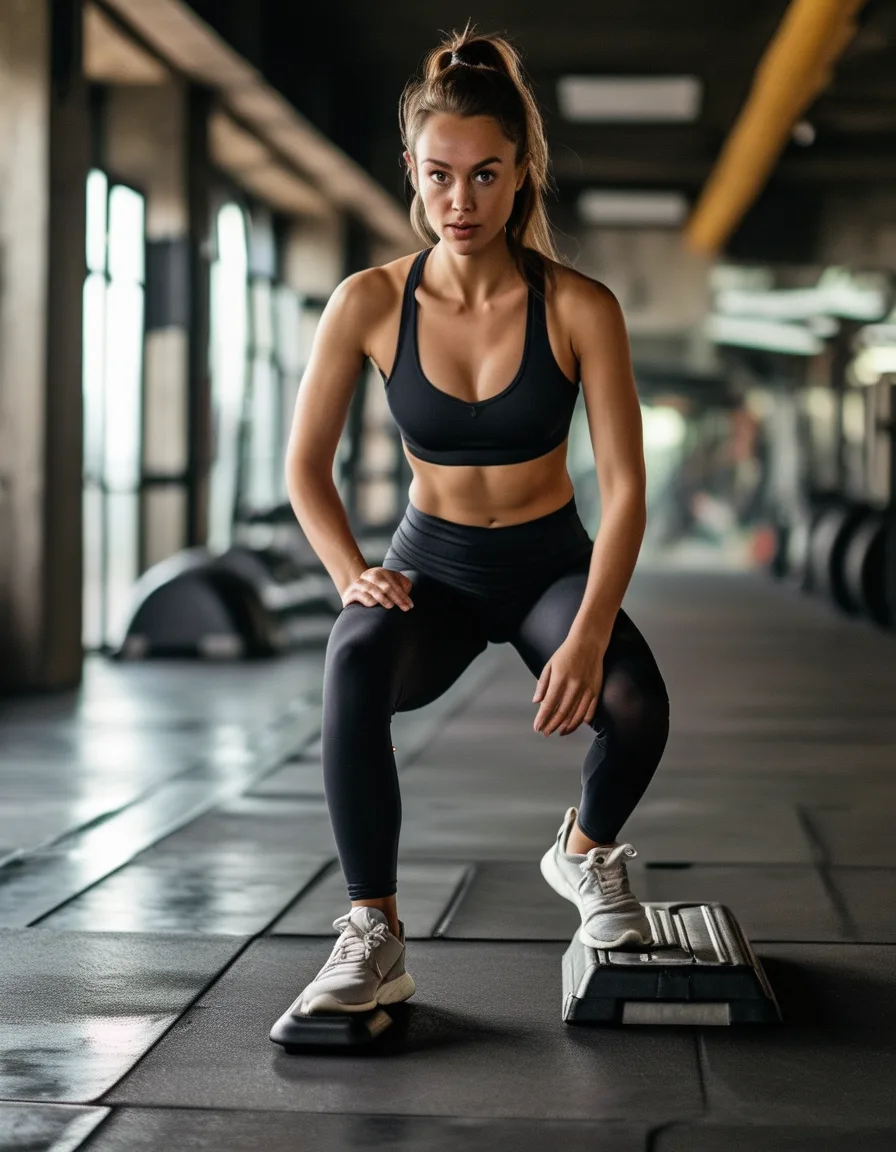
The exercise list: the the-step-ups-for-hip-drive (step-ups building single-leg hip and quad drive in a pattern that closely mimics stair climbing and hiking), the the-single-leg-deadlifts-for-posterior-chain (single-leg deadlifts targeting the hamstrings and glutes while demanding significant balance and hip stability), the the-walking-lunges-for-combined-demand (walking lunges combining single-leg strength with a dynamic, moving stability challenge more demanding than a static single-leg hold).
Building a Balanced Leg Program
The integration approach: the the-both-not-either-or (a well-rounded leg program including both bilateral exercises for raw strength and load capacity, and unilateral exercises for stability and asymmetry correction, rather than choosing one category exclusively), the the-address-asymmetry-first (addressing any significant side-to-side strength difference revealed through unilateral work before adding heavy bilateral loading, since an uncorrected imbalance under heavy bilateral load raises injury risk), and the frame (bilateral exercises build raw strength efficiently but can hide asymmetries and skip real-world stability demands — unilateral training fills exactly that gap and belongs in a leg program alongside squats, not instead of them.)
A leg training program built entirely around bilateral exercises like squats and leg presses can produce genuinely impressive strength numbers while quietly leaving a strength asymmetry uncorrected, since a stronger leg can compensate for a weaker one without either the lifter or an observer noticing under a shared bar load. Unilateral exercises close that gap by forcing each leg to fully support its own weight, immediately revealing side-to-side differences and demanding the kind of active hip and ankle stabilization that a double-leg stance’s wider base of support simply doesn’t require. That stability and balance component also transfers more directly to how the legs actually get used outside the gym, since walking, climbing stairs, and running are fundamentally single-leg movements. The right approach isn’t choosing bilateral or unilateral training, it’s including both — step-ups, single-leg deadlifts, and walking lunges alongside squats — and addressing any asymmetry the unilateral work reveals before piling more load onto the bilateral lifts that could be hiding it.
Keep Reading
This article is for general informational and styling purposes only. Fit, sizing, and product availability may vary.